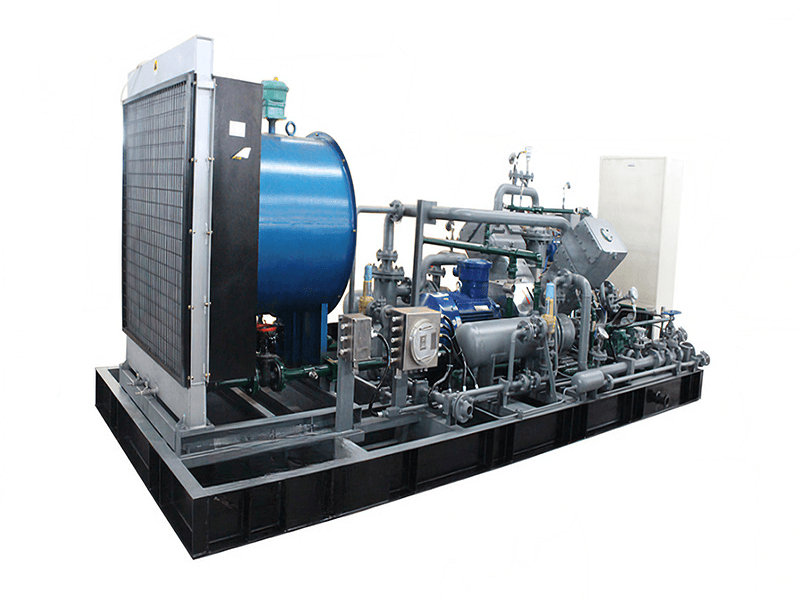
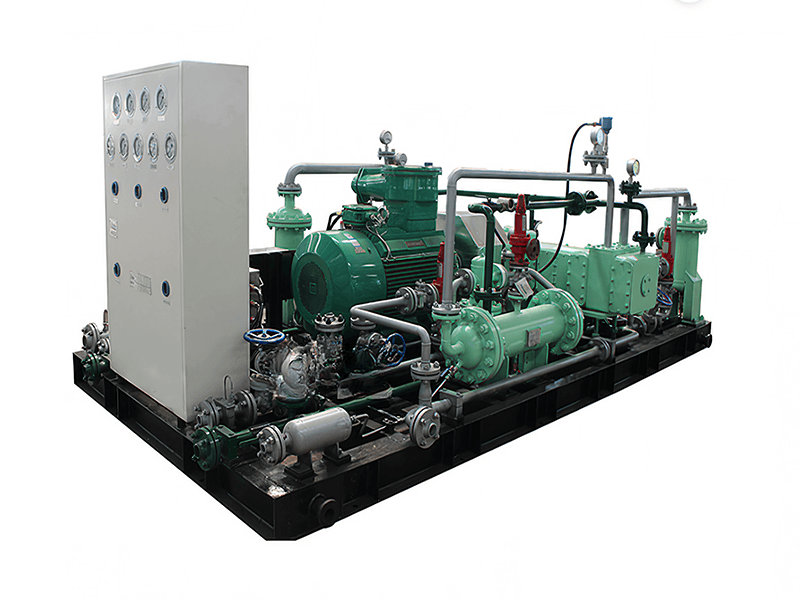
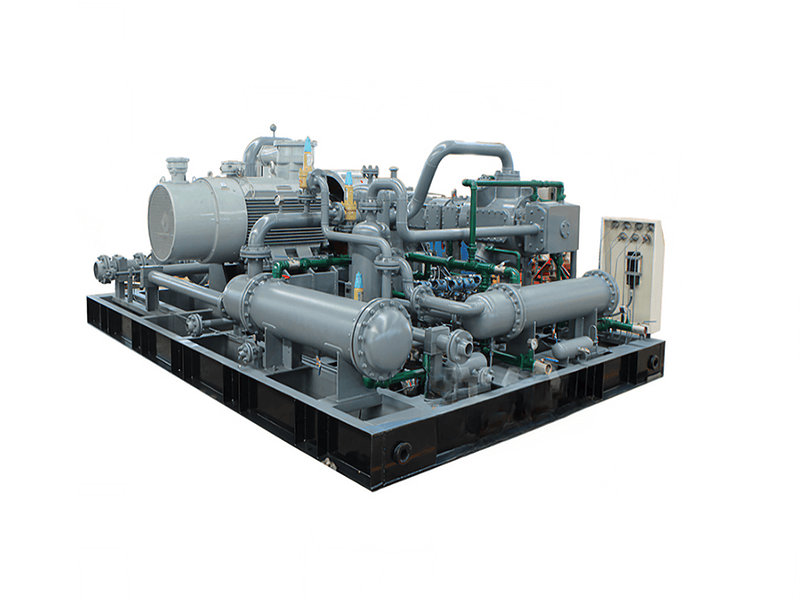
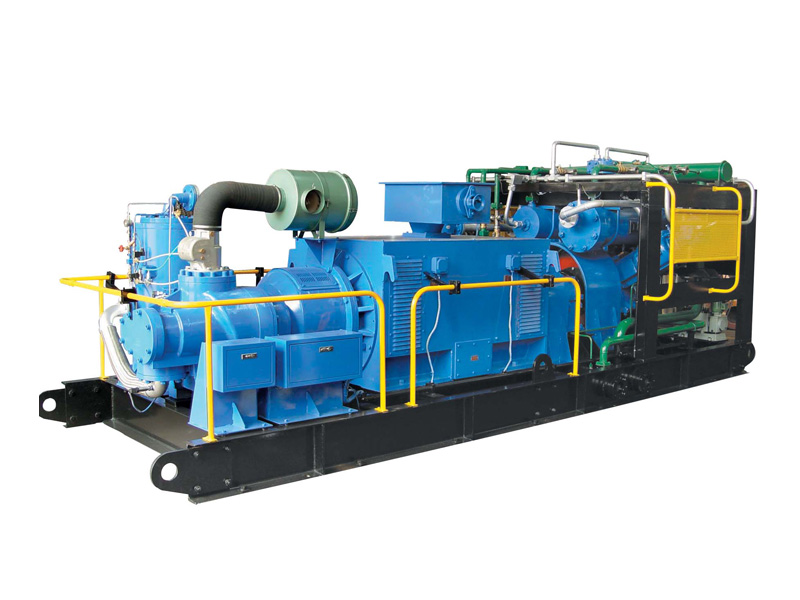
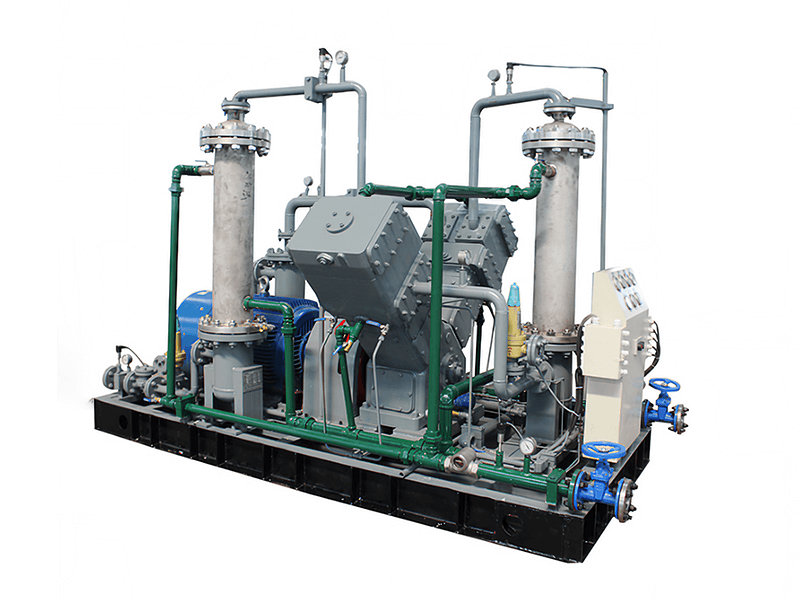
In the broad application spectrum of industrial compressors, compressing air is the most common scenario. However, the advancement of modern energy, chemical, and cutting-edge manufacturing industries is increasingly turning its attention to hydrogen, oxygen, helium, and various process gases. When the medium is no longer stable, mild-mannered air, the challenge of compression undergoes a fundamental transformation. Powering these "demanding" gases is no longer a matter of simply modifying general-purpose equipment; it requires "customization" from material science to safety philosophy, and from sealing technology to fluid dynamics. This is not just about efficiency; it is about the safety of life and property.
I. The Medium is the Mandate: How Gas Properties Reshape Design Blueprints
The design of a compressor begins with a profound understanding of the characteristics of the medium it handles. Each special gas, with its unique physical and chemical properties, issues unbreakable "design mandates" to engineers.
Flammability and Explosivity (e.g., Hydrogen, Natural Gas, Acetylene): This presents the most severe challenge. Hydrogen possesses an extremely wide explosion range (4% - 75%), its minute molecules are prone to leakage, and under high pressure, it can cause "hydrogen embrittlement" in steel. This mandates the use of highly explosion-proof motors and electrical components (e.g., Ex d IIC T4 rating). The design must minimize any potential sources of sparks, static accumulation, and high-temperature points. Materials must be selected from special alloy steels resistant to hydrogen embrittlement, and the sealing of the entire gas flow path (especially in high-pressure stages) becomes a top priority.
Strong Oxidizing and Combustion-Supporting Properties (e.g., Oxygen, Oxygen-Enriched Air): Oxygen itself is non-flammable but vigorously supports combustion. In a high-pressure pure oxygen environment, grease, metal particles, or even specific sealing materials can become ignition sources, leading to catastrophic combustion accidents. Therefore, an absolutely oil-free design and extreme cleanliness are the lifelines of oxygen compressors. All components in contact with oxygen must undergo rigorous degreasing and cleaning and are typically sealed with an inert gas (like nitrogen) purge to prevent oil vapor ingress.
Corrosivity and Toxicity (e.g., Chlorine, Hydrogen Sulfide, Carbon Monoxide): These gases demand compressors with exceptional corrosion resistance. Material selection must be based on the gas properties, utilizing alloys like Monel, Hastelloy, special stainless steels, or non-metallic coatings. Simultaneously, the shaft seal system must guarantee zero leakage, protecting not only the equipment but also the environment and operating personnel. The structural design of the compression chamber should also facilitate cleaning and maintenance, avoiding dead spots where corrosive media can accumulate.
High Value and Rarity (e.g., Helium, Argon, Krypton/Xenon):For these expensive gases, the primary goal of the compressor is maximum recovery rate and purity preservation. Leakage implies significant economic loss, placing extremely stringent demands on sealing technology (typically labyrinth seals or dry gas seals). Furthermore, the compression process must prevent any contamination that could degrade gas purity.

II. Chasing the Wind, Capturing the Shadow: The Ultimate Sealing Battle in Hydrogen Compression
Hydrogen Compressors represent a technological pinnacle in the field of special gas compression. Their core challenge stems from two properties of hydrogen: its minuscule molecular size and high permeability.
Traditional contact seals (e.g., piston rings, mechanical seals) often prove inadequate in achieving acceptable leakage rates when facing high-speed, high-pressure hydrogen. Consequently, modern large-scale hydrogen compressors (particularly centrifugal types) have widely adopted "non-contact" sealing technologies:
1. Dry Gas Seals: This is the current mainstream solution. It relies on maintaining a gas film, just a few micrometers thick, formed by clean hydrogen or nitrogen between the rotating and stationary faces. This enables non-contact operation under dynamic conditions, resulting in extremely low leakage, long life, and high reliability.
2. Labyrinth Seals: These utilize a series of throttling teeth and cavities to create flow resistance and reduce leakage. While some leakage occurs, their structure is simple, robust, and wear-free, making them common for inter-stage and shaft-end sealing.
3. Material Selection:To prevent hydrogen embrittlement, critical pressure-bearing components like rotors, casings, and bolts must be manufactured from austenitic stainless steels or low-alloy high-strength steels, with strict control over material hardness and microstructure. Components such as valves and packing must also use special polymers or metallic materials compatible with hydrogen.
From ion liquid compressors in hydrogen refueling stations, to recycle hydrogen centrifugal compressors in refinery hydrotreaters, to future boosters for long-distance green hydrogen pipelines, each pressure increase for hydrogen represents a supreme test of sealing reliability and material durability.
III. Dancing with the "Tiger": Absolute Safety Rules for Oxygen Compression
Compressing oxygen is akin to cohabiting quietly with a tiger. Ensuring absolute safety requires constructing a multi-layered defense system:
1. Absolutely Oil-Free Systems: This is an inviolable rule. Not only must the main compressor block be oil-free by design (e.g., non-lubricated piston, labyrinth piston, or water-lubricated screw/centrifugal types), but even the gearbox of the driver (electric motor or steam turbine) must be designed with extended shaft extensions or special intermediate couplings to guarantee that no lubricating oil vapor can possibly infiltrate the gas side. Assembly of all components must occur in clean rooms, followed by rigorous degreasing and oil-free testing.
2. Compatible Material Selection:All components in contact with oxygen must be made from materials that resist vigorous oxidation reactions in high-pressure, high-purity oxygen environments. For example, valve plates and seals often utilize advanced engineering plastics like PTFE (Polytetrafluoroethylene) and PEEK (Polyether ether ketone), or metals like Monel and copper alloys. The use of cast iron, ordinary carbon steel, or other materials prone to sparking or violent oxidation is strictly prohibited.
3. Flow Velocity and Temperature Control: Gas flow paths must be designed to control velocity, preventing the generation of localized high-temperature hot spots due to particle impact. Simultaneously, comprehensive cooling systems are essential to strictly control stage discharge temperatures and prevent them from reaching the auto-ignition temperature of materials.
4. Safety Relief and Purge: The system must be equipped with specialized safety valves compatible with oxygen and include nitrogen purge connections. Before startup and after shutdown, the system's oxygen must be completely displaced using an inert gas to eliminate risks.
From steel mill air separation units to spacecraft oxygen systems and medical/diving breathing gas preparation, every successful operation of an oxygen compressor stands as a testament to the flawless execution of this stringent safety protocol.
Conclusion
Special gas compressors represent a branch of general compressor technology that has evolved towards extremity and specialization. They do not pursue the broadest applicability but focus on delivering the optimal solution for a specific medium under the triangular constraints of safety, reliability, and efficiency.
The technological barriers in this field are exceptionally high, integrating cutting-edge knowledge from special materials science, precision manufacturing, dynamic sealing technology, and process safety. A successful special gas compressor is more than just a piece of equipment in a plant; it is a thoughtfully engineered, complete safety system. It balances the delicate relationship between driving the energy transition (like hydrogen), securing strategic industries (like air separation and chemicals), and safeguarding lives. On this stage where air is no longer the only medium, every technological breakthrough quietly expands the safety boundaries of human industrial capability.